The History Anorak

The History Anorak
Showing posts with label 19th century. Show all posts

Thursday, 2 November 2017

Glassy

Back in the day when The Anorak was a lowly archaeological surveyor working for British Waterways it was a favourite story to talk about Chance's Glass in Smethwick, West Midlands.

The factory was famous in its day. It was the place that made the windows for the Crystal Palace, built to house the Great Exhibition in 1851. The panes were transported by canal from Chance's own side branch of the Birmingham main line, all the way to London. And when they arrived not a
single one was broken!
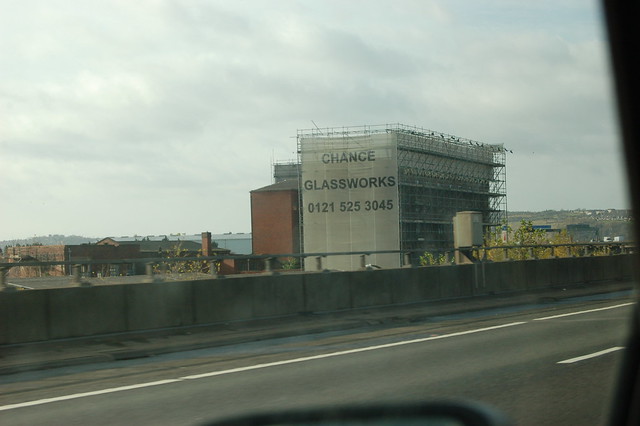

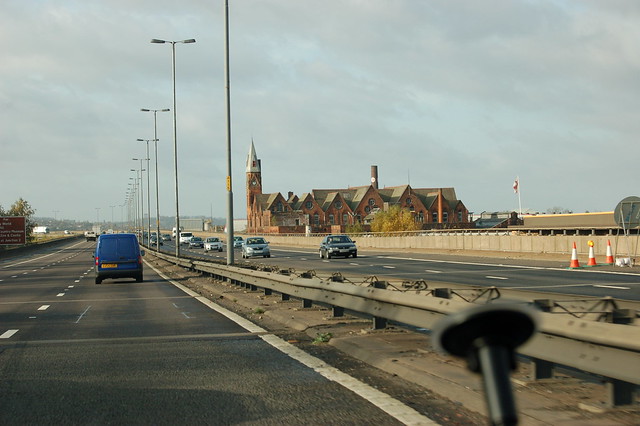
If you've ever travelled the M5 between junctions 1 and 2 you'll have spotted the seven storey high building, though it's a bit square, and you're more likely to have marvelled at the wonderful terracotta-coloured edifice that housed Archibald Kenrick's foundry on the opposite side of
the road.
Chance’s glass was also responsible for a key part of maritime safety. They made the lenses for many of the world's lighthouses. They're a special kind of lens called a fresnel, that focuses the light through a series of concentric rings, rather than a curved surface.
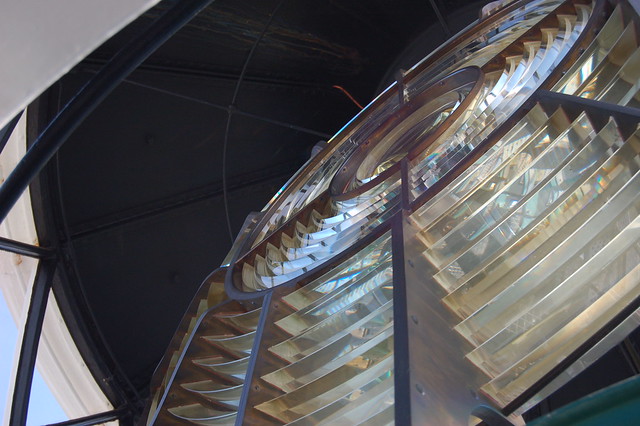

Now, it seems, I'm not the only person fascinated by Chance's history. Australian engineer Tim Nguyen has set himself the task of learning old glassmaking skills so that he and a group of friends can restore all the Chance lighthouse lenses around the world.  There are about 2,000.

Chance glass was founded in 1824 and continued until 1981. Towards the end of its life it was known for much smaller pieces of household glass.

For more on this story see the BBC website by clicking here.


http://www.bbc.co.uk/news/uk-england-birmingham-40887830

Monday, 28 November 2016

Coal carving

Coal has been used as a carving material for many years. The earliest known examples date from the 17th century, but you can still buy examples as souvenirs today - even though coal mining is almost extinct in the UK.

Although large and ornamental pieces were often made by professionals, many small, personal items were carved by miners themselves. The National Coal Mining Museum for England, near Wakefield in Yorkshire, has many examples of carved coal.

Snuff boxes were common items - miners were keen snuff users because it was a great way to clear coal dust from their noses at the end of a shift - but other regularly made objects were ornamental shoes, or small pieces of jewellery.

The material used for carving was cannel coal, a fine-grained variety that was used to produce coal gas. It was cleaner than domestic coal, and took a high polish. In Scotland they used another type called parrot coal, which got its name because of the noise it made when it was burned.

Parrot coal was also very strong and was often made into furniture. The Wemyss Coal Company had a table that weighed 5cwt (250 kilos)

The items in the photo were made by miners in Nottinghamshire and date from the late 19th century.

Incidentally - this is my 100th post on this blog.