The History Anorak

The History Anorak
Showing posts with label Hanseatic League. Show all posts

Sunday, 5 June 2016

Historic Hull

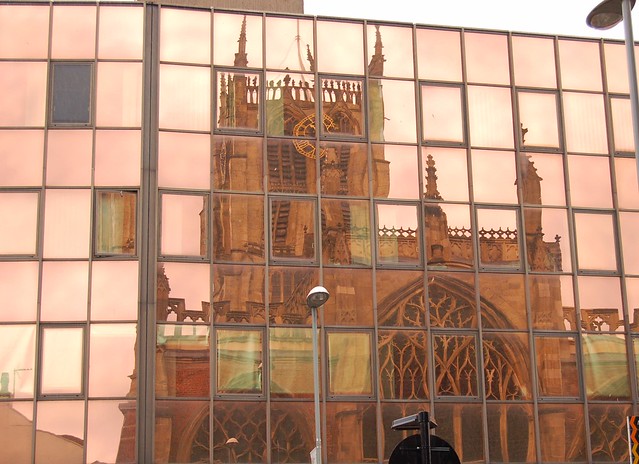
Holy Trinity Church, Hull reflected in nearby buildings
The city of Hull has a long and fascinating history and there's much more to it than an out-of-the-way town on "an unfashionable arm of the Humber" (to misquote Douglas Adams). Let's start with the name, for example. It's widely known as Hull but in fact the Hull is a river; a tributary of the Humber. The city is properly called Kingston Upon Hull. The port was officially established by Royal Charter under the instructions of Edward I in 1296 - hence King's Town, or Kingston. The Charter also allowed the town to hold two markets a week and one fair a year. Hull Fair is still known as a major event in East Yorkshire today.

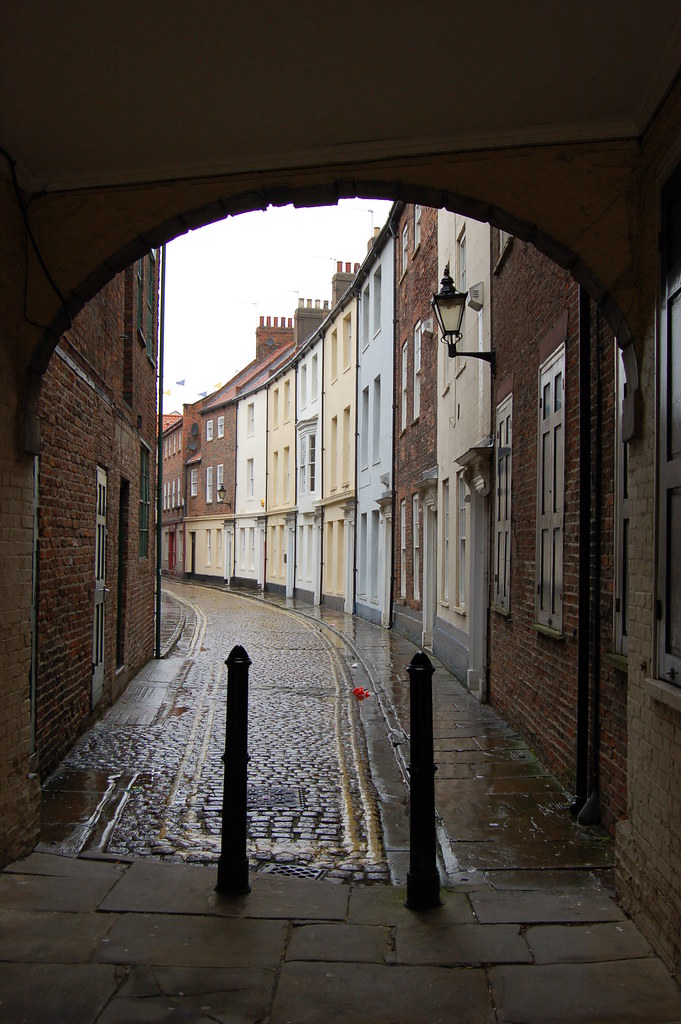
One of Old Hull's cobbled streets
At the town's heart was Holy Trinity Church, a magnificent medieval structure now recognised as the biggest parish church in England. It still has many of its original carved benches and is home to a splendid collection of green man faces and mythical beasts.

Hull was one of the towns in the Hanseatic League, a group of ports around the Baltic and North Sea who traded as an alliance, ensuring prosperity and success for their merchants. The League mainly traded timber, furs, resin (or tar), flax, honey, wheat, and rye from the east to Flanders and England. Cloth and manufactured goods went the other way. Metal ores, particularly copper and iron, and herring came southwards from Sweden. (Thank you Wikipedia!)

As part of the League, Hull continued to grow and its merchants became very rich. Warehouses and trading centres can still be identified among the winding, cobbled streets of its old town.

In 1369 a religious guild was set up in association with Holy Trinity Church, which soon became a Seamen's Guild, dedicated to the welfare and safety of mariners. It still exists today, in the form of Trinity House, the body responsible for maintenance of the UK's lighthouses.

By the late 16th century Hull was a major whaling port as well as  a key point of entry and egress for goods from all over the world. Then, 50 years later, Hull became a significant place in the English Civil War when, in 1642, the city governor Sir John Hotham refused entry to the city to King Charles I.
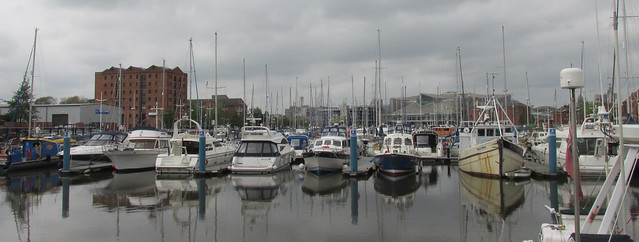
Hull Marina today

Hull Dock Company, the first statutory dock company in Britain, was founded in 1773 by the Corporation. It remained in action until 1963, when the central dock closed and was converted to the present day Marina. The town is still a major port, with cargo ships and passenger ferries sailing daily.

Fish in the floor
Hull gained city status in 1897 and continued to thrive as a major port. In fact its significance was recognised by Germany in WWII and it was a target for German bombers throughout the war. Between 1939 and 1945 more than 95% of Hull's housing was damaged by air raids, making it the worst-hit city after London.

For many years Hull was a major fishing port although the Icelandic cod wars put an end to the trade. It is still commemorated by an art trail around the streets with life-size images of fishes to be found in strange places: at any point looking down you might find yourself among a shoal of mackerel, whitebait or anchovies carved into the paving stones.

Of course, Hull's latest claim to fame is that it has been named as 2017 City of Culture.

Some famous Hull folk
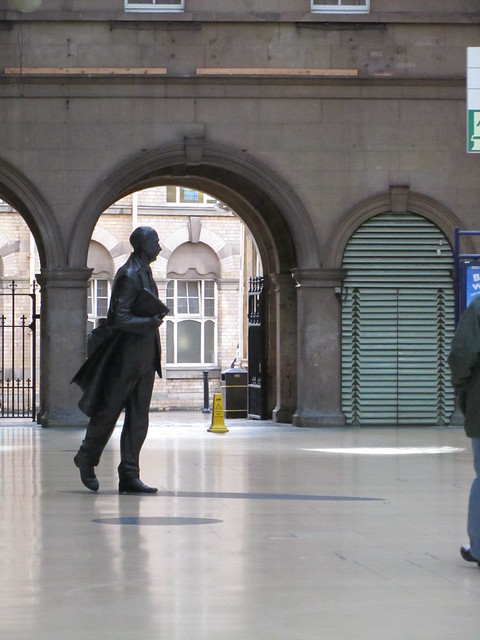
Philip Larkin statue: Hull rail interchange
Over the years many famous people have called Hull home, either born there or moving in, and details of hundreds can be found on the walls of the covered market.  But here's a few:

  • There's anti-slavery campaigner William Wilberforce, of course. 
  • The poet Andrew Marvel, born here 1621.
  • Mathematician John Venn, responsible for the Venn diagram, born in Hull in 1834. 
  • Philip Larkin, Coventry-born poet, lived in Hull for the majority of his life as the resident librarian at Hull University.
  • Sir Andrew Motion, former Poet Laureate.
  • Stevie Smith, poet and novelist best known for her poem "Not Waving but Drowning".
  • J. Arthur Rank. (Yes, THAT one.)
  • Arthur Lucan aka Old Mother Riley.
  • Amy Johnson, first woman to fly solo from Britain to Australia.
  • Actor Ian Carmichael.
  • Comedienne Maureen Lipman. 
  • Actor John Alderton grew up in Hull and attended Kingston High School.
  • John Godber, playwright; Artistic Director of the Hull Truck Theatre Company.
  • Mick Ronson, guitarist.
  • Basil Brush's Mr Roy - Roy North. 
  • Norman Cook (also known as Fatboy Slim), moved to Hull in the 1980s.
  • Archaeologist Paul Bahn. 


Sunday, 17 January 2016

Hanseatic

The town of Kings Lynn in Norfolk was part of the Hanseatic League, a powerful association of merchants from Northern Germany, the Baltic countries, and those around the North Sea, which operated from the 14th to the early 19th century. By belonging to a trade association such as the League, merchants benefited greatly. It protected economic interests and offered diplomatic privileges to its members.

Part of the old town
It is believed to have its early origins in the German town of Lübeck, which was captured by Henry, Duke of Saxony in 1158. Under his rule the town quickly gained dominance of the international trade around the Baltic and became a centre for merchants from around the area. The area's economic strength was built on products such as wax, amber, resin, furs and timber. The League was officially launched in 1356. Towns in the league raised their own armies and were required to come to each other's aid in times of threat.

Kings Lynn's Hanseatic Warehouse
In spite of the extent of the Hanseatic League at its height (including Bristol, Boston Lincolnshire, Hull, Ipswich, Norwich and Yarmouth) there is only one remaining original Hanseatic warehouse in Europe, and that's in King's Lynn. Walking around the old town it's not difficult to imagine what the port was like in its heyday.

I was lucky enough to live in Kings Lynn old town some years ago. Very close to where these photos were taken - even closer to the photo in my previous post.  There's much more to the town than I've told you about here, but I'm not going to bore you with it all. There's just one more story to tell you. Watch this space.